
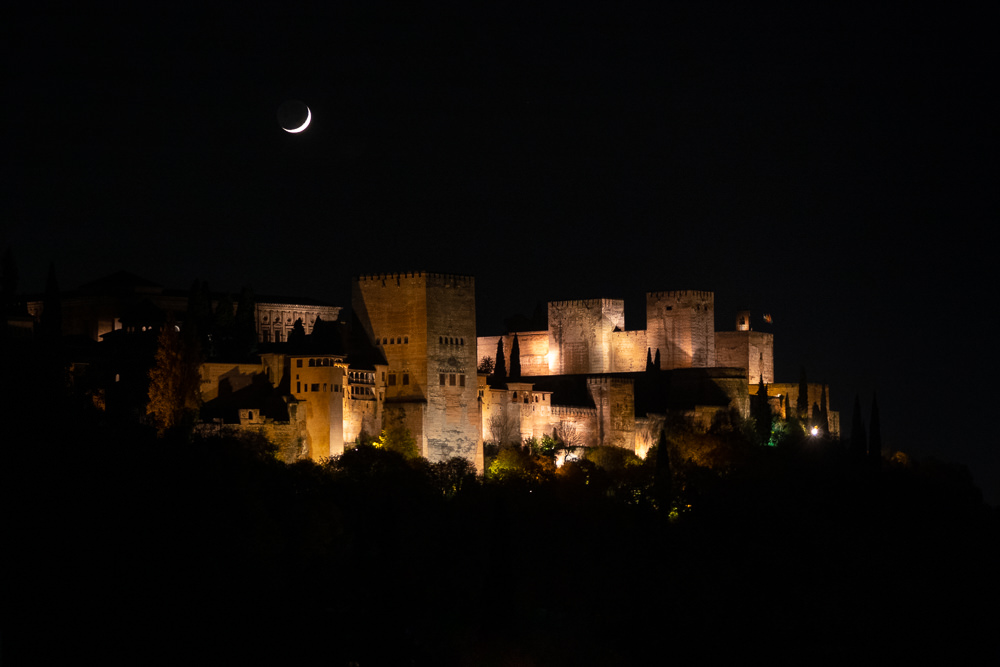
Granada is without a doubt my favorite city in Spain. The stunning hilltop Alhambra palace instantly gives it a fairytale-like quality, while the city itself has such a wonderfully calm, unpretentious and bohemian atmosphere.
I’ve now visited Granada three times: once as a solo backpacker, once on a couples’ trip, and once on a family trip. Each time, I visited during a different season, giving me a more complete picture of what Granada has to offer.
Compiling all my experiences together, I created this complete guide to Andalucia’s cultural gem, including the best areas to stay and my hand-picked hotel suggestions.
Granada at a glance
Granada is captivating in so many ways: from the windy streets of the Albaicín to the Flamenco dances performed on seemingly every plaza and the Moorish Alhambra palace looming from its central hill.
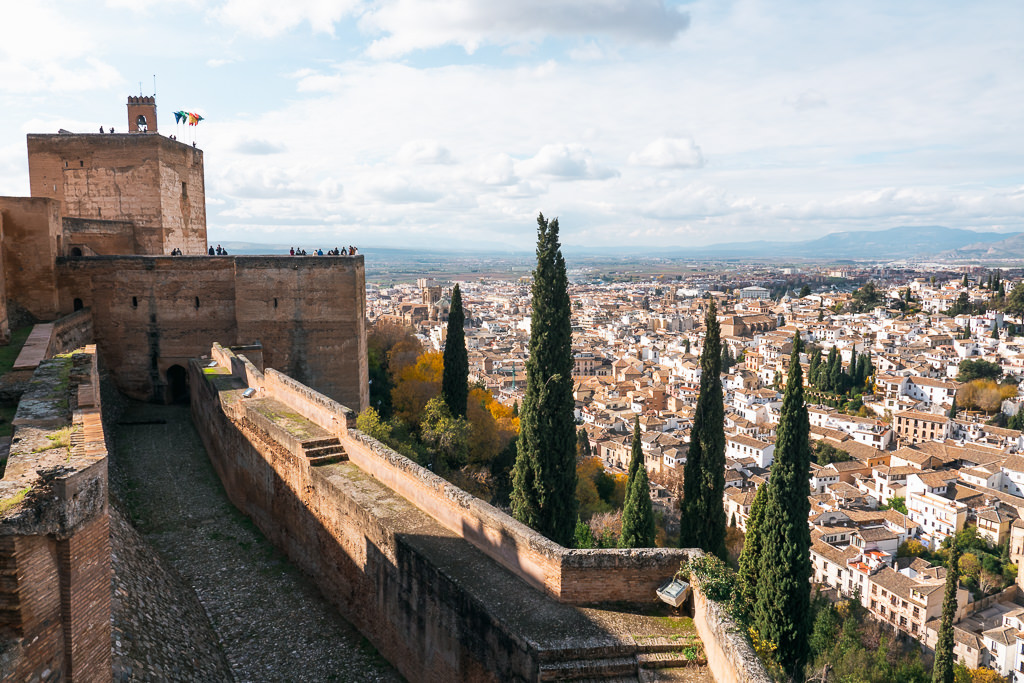
Most people come here to see the Alhambra, the renowned 13th-century Moorish palace and fortress, but I highly advise taking the time to let Granada’s atmosphere wash over you. There are many things to do besides the Alhambra — and ultimately the best thing to do is just to be in Granada.
Thanks to the quiet low-traffic streets and the lack of any major airport nearby, it’s remarkably quiet and peaceful in Granada. I love how often all you’ll hear are the murmur and echoes of people talking and drinking in the cozy squares. It’s also a very soulful city, with a large community of students, artists, and musicians.
From the Parisian-style avenues in the center to the hodgepodge of improvised hillside dwellings in Sacromonte, each part of Granada has a distinct character, making it all the more interesting to explore. Scroll forth as I share with you how to make the most of your stay!


How many days in Granada?
I generally advise staying at least 2 days (but preferably more). Granada easily has enough to see and do to fill 4 days at a gentle pace. This is especially true if you add a day trip to your Granada itinerary, for which there are several great options.
If you’re on a time-limited trip, perhaps travelling around the Andalucia region, then 2 days is simply the minimum you need to see the highlights. But if you can take it slow, it’s a wonderful city to spend longer.
1 Day in Granada
With one day you’ll have just enough time for the essentials. Visit the Alhambra in the morning, wander around the old town in the afternoon, and enjoy sunset views from the viewpoints in the Albaicín. At night, attend a spectacular Flamenco performance. It’ll be a very jam-packed day, but you can still get the essence of Granada.
2 Days in Granada
With 2 days, you can give the Alhambra some proper time, you can go on an extended guided walking tour of the historical center (see free walking tours here), spend an afternoon tapas-bar-hopping (it’s actually one of Spain’s best places for tapas), and see the Cave Museum.
3 Days in Granada
Take it easy on your third day by relaxing in the Arabic baths. For more, consider adding an activity outside of the city, such as the Los Cahorros hike or a road trip to some of the historic white villages of Andalucia.
Tip: Don’t wait to book the Alhambra
The stunning royal palace and fortress complex dating back to the times of Moorish rule in Spain is the absolute highlight of Granada. However, know that it’s crucial to plan ahead your visit to Alhambra.
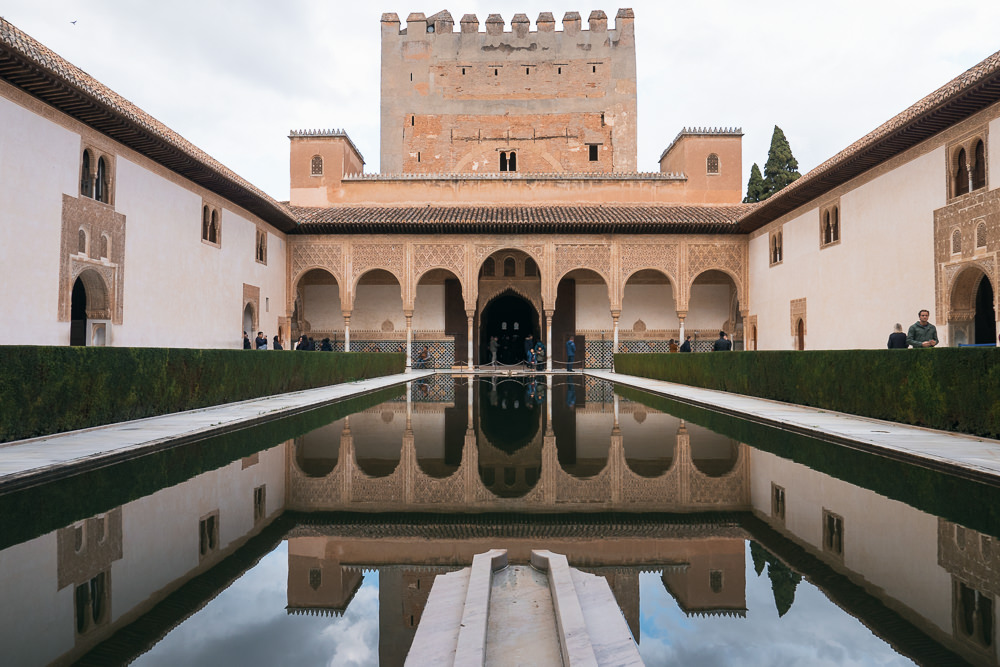


The inner Nasrid Palace is the most impressive part, featuring incredible tiling and geometric art. To access the Nasrid Palace you will need a ticket for a specific timeslot. These tickets are limited and they do book out often. To avoid disappointment be sure to get your tickets before you go.
Tickets for Alhambra
The easiest way is to grab your Alhambra & Nasrid Palaces Ticket at GetYourGuide or grab your tickets with audio guide included at Viator.
Access to the Nasrid Palace is strictly controlled. Be 100% on time for your exact timeslot. Spain may at times be known for its terrible punctuality but at the Nasrid Palace, they are hardcore punctual. If you’re just 20 minutes late, you will probably be denied entry. (I saw this happen to a couple in front of us and they were devastated.)
If you miss your chance to enter the palace, you can still visit the fortress area or the beautiful Generalife gardens, but the Nasrid Palace is the real star of the show.
Get your alhambra ticketsP.S. I found the audio tour quite engaging, though if you’re looking a premium experience you can explore Alhambra with a passionate historian via Airbnb Experiences. This private tour is run by Sergio, a local with deep knowledge of Alhambra and who can adapt to your specific interests.
Best time to visit
Having visited Granada in different seasons, here’s what I think based on my first-hand experience:
Summer is honestly not the best time to visit. This may seem counterintuitive — isn’t Spain a summer destination? — but being so far away from the beaches it can get swelteringly hot in July and August. Granada’s higher elevation does make it a better place to be during this time than Seville or Cordoba. All in all, summer isn’t a bad time to go, but don’t discount the other seasons.
Spring is a really good time to visit. The weather is warm but not too hot for exploring. With flowers in full bloom, the gardens of the Generalife are at their best. It’s also less crowded than in summer.
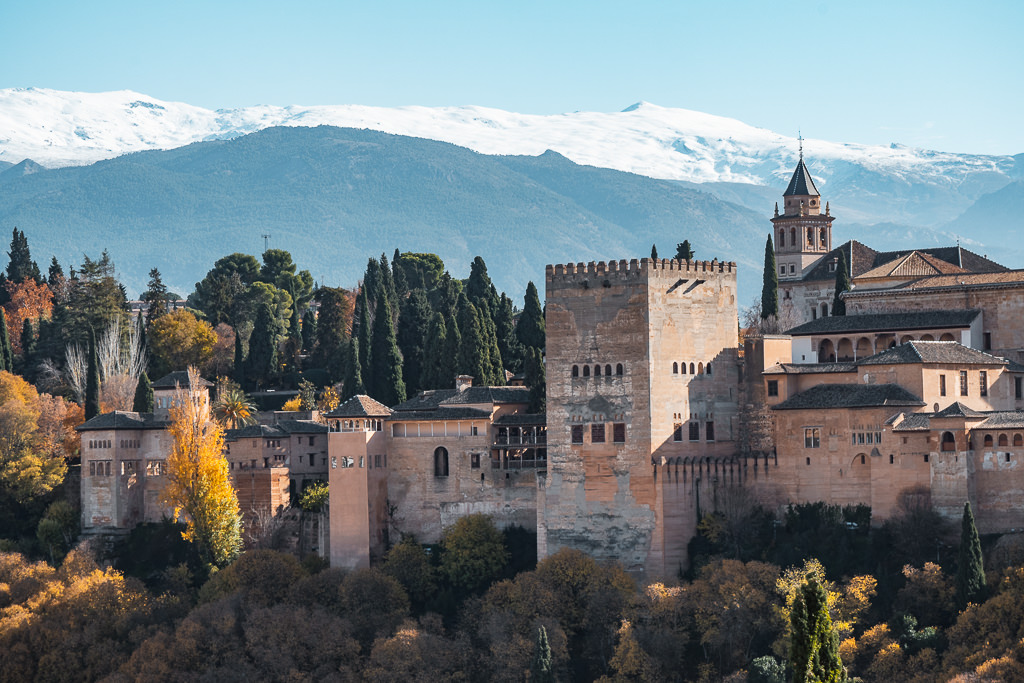
Fall/Autumn is my favorite time to be in Granada. In September/October it will often still feel like a northern European summer, but the crowds will have thinned out. The light is beautiful during this time of year. It’s an amazing late-season destination.
Winter is surprisingly lovely, so long as it’s not raining (so keep an eye on those weather reports). Temperatures are mild, the trees keep their autumn colors until well into winter, and the wine and tapas bars get especially cozy. A perfect winter escape, so long as you’re not forced indoors by rainfall.
Where to stay in Granada
Areas to stay
The best and most tourist-friendly areas to stay are the center around the Catedral de Granada and the traditional hillside area of the Albaicín, so I recommend focusing your hotel searches there.
Let me offer a few specific suggestions…
Staying in a boutique hotel
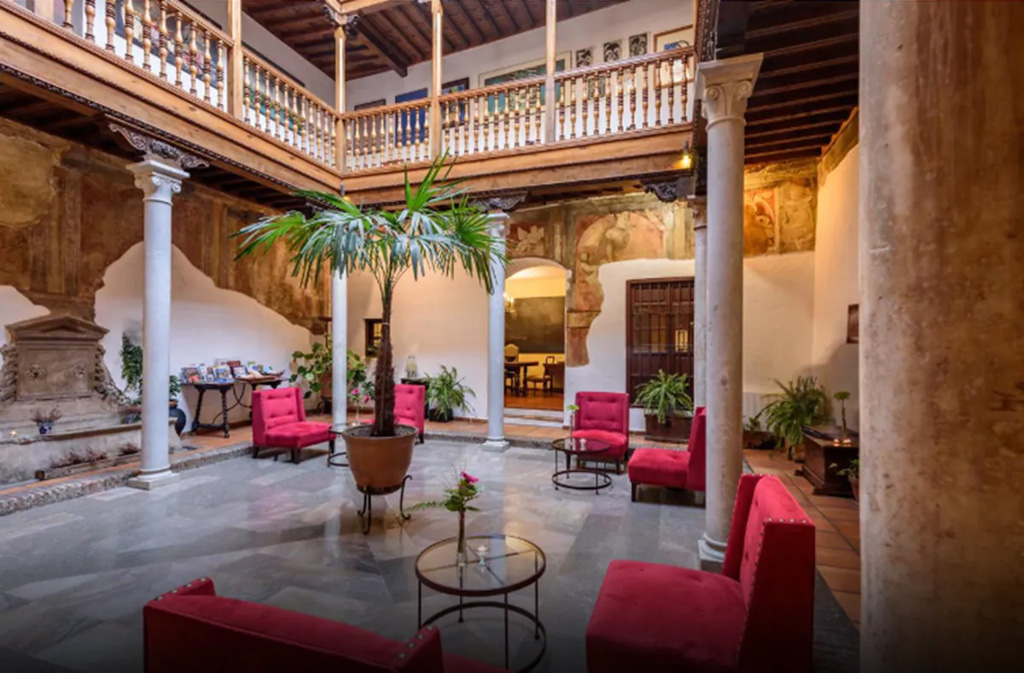
Granada is an absolute goldmine for small-scale hotels, many of them located in classic Mudéjar buildings or in rustic former Carmen mansions. I highly recommend staying in Palacio de Santa Inés, which has an incredible atmosphere and wonderful service.
What I love about this traditional hotel set in two Mudéjar mansions is that I found myself immersed in the Moorish atmosphere from the moment I woke up.
Alternatively, check out the Casa del Capitel Nazarí, which is another utterly charming and romantic place to stay.
Staying in a backpacker hostel
My first visit to Granada was as a solo backpacker, arriving in Spain after a month of adventures in Morocco. If you’re seeking a social atmosphere in Granada, there is absolutely no contest: you have to stay at El Granado. Staying here absolutely elevated my experience.
The way they’ve set up the hostel makes it very easy to meet other travellers, even providing a WhatsApp group that lets you spontanously join various activities. Their own walking tour made me see a whole different side of Granada (it ended in a secret ‘speakeasy’ spot in Sacromonte where beer and wood fired pizza are served with the most stunning views of the Alhambra).
The hostel is run by owners who clearly care about their guests and it’s honestly one of the best hostels I’ve stayed. There are both dorm beds and private rooms. Check availability here.
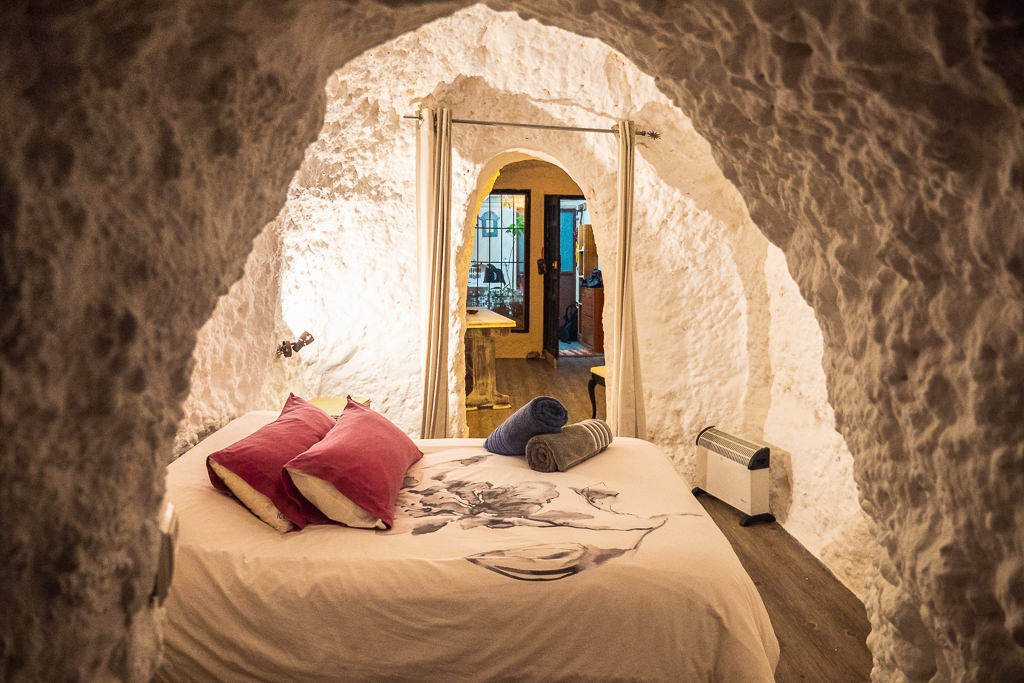
Sleeping in a cave house
Finally, for something truly special, consider staying in a cave house in the Sacromonte neighborhood.
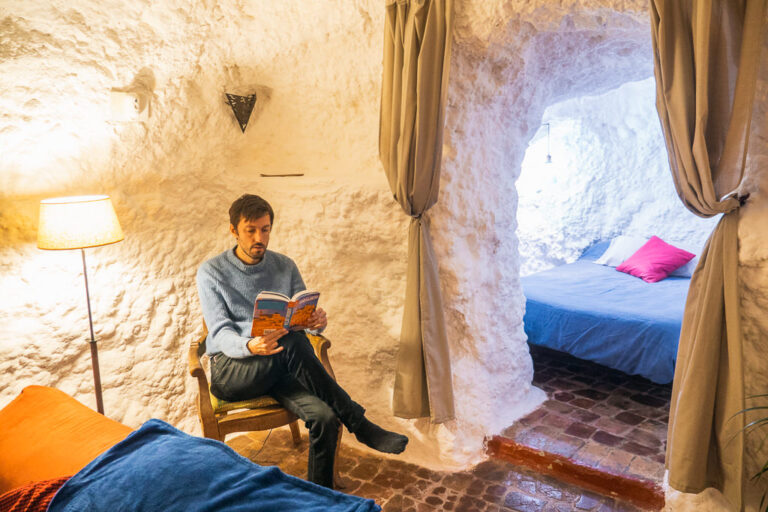
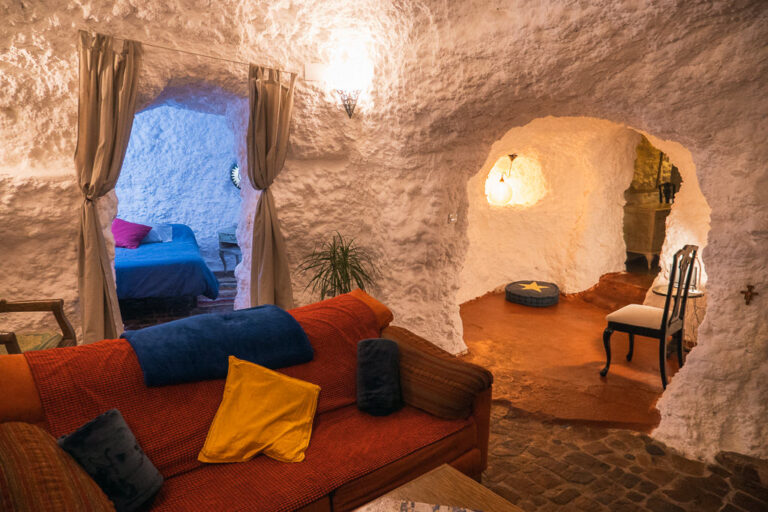
Known as the gypsy quarter, Sacromonte is one of Granada’s most unique and soulful areas, where many residents have dug informal cave houses into the mountains over the years. Some of these have been turned into B&Bs, offering an amazing and unique experience.
Thanks to the acoustics and coziness I slept like a baby inside our very own cave. It was also incredible waking up to panoramic views of the Alhambra right from our front porch. The cave we stayed in had its own private terrace, so we could even have breakfast with a stunning view, or see the moon over the Alhambra while enjoying a glass of wine at night. This really turned the stay itself into an experience!
Cave houses on Booking.com
Cave houses on Airbnb
- Luminous cave: Alhambra views & private terrace (where I stayed – recommended!)
- Magical Cave with AlhambraViews
- Renovated cave with Alhambra views
What to do in Granada
Essentials: Alhambra, Flamenco show, tapas crawl, walking tour, viewpoints at sunset. These are the typical Granada experiences you’ll surely won’t want to miss!
Hidden gems: Basilica de San Juan de Dios, Carmen de Los Martires, buy sweets at the convent, botanical garden, Cave Museum, plus other small museums listed below, adding some quirky and local sights to your trip.
Day trips: hike the Los Cahorros, visit the white villages & drive up to the Sierra Nevada are perfect for a day or two outside of the city.
1. See a flamenco (actually zambra) show
Granada is one of the few places to see the Flamenco dance or, more specifically, a unique version of gypsy origin called the Zambra.
I strongly recommend catching a show at one of the Zambra cave bars in Sacromonte, as this is such a unique experience you can’t have anywhere else (not even in other Spanish cities like Seville). You’ll be seated around the edges of the cave, in some cases within arm’s length of the performers.
It’s a wonderfully intimate experience, exactly how I imagine the zambra is danced at close-knit family gatherings. That is actually how the art form developed over the centuries; during the 16th century the Inquisition outlawed the dance, forcing it literally underground. So what you see here is closer to the original than any stage performance.
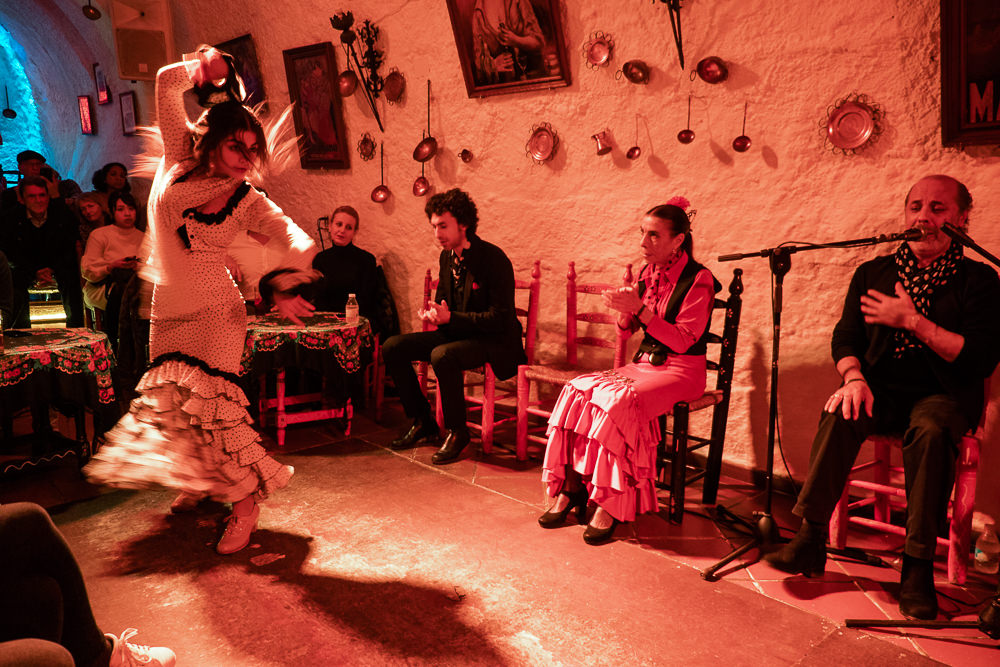
If like me you happen to be a fan of the late travel presenter Anthony Bourdain, you might be interested to know that the Spain episode of Parts Unknown opens with a dance in this very cave, beautifully intercut with Bourdain’s experiences across Andalucia. Perhaps it will spark a similar mental montage as you witness a show during your trip through this region.
Seating is limited, so book ahead — you really don’t want to miss this!
Book a Zambra show2. Cave Museum of Sacromonte
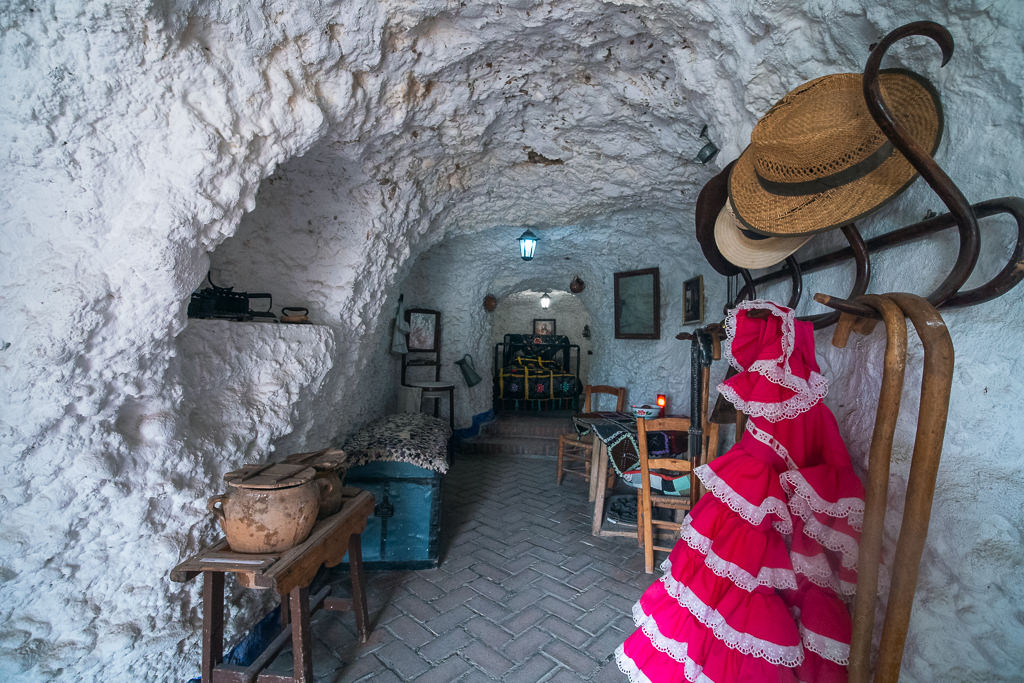
This unique open-air museum is worth a visit if you’re in Sacromonte. It shows how people lived and worked inside the caves through the ages and gives insight into the origins of Flamenco and the gypsy culture of those who lived here.
The exhibits are inside several cave houses. Entry is 5 euros and while it’s a small museum, it’s an underrated attraction in Granada as it gives such great insight into the history of this area. The signs are all in English.
3. Alhambra & Generalife
The Alhambra is an epic royal palace and fortress from the times of Moorish (Arabic) rule in Spain. It is surely the most sprawling and impressive tourist site in Andalusia.
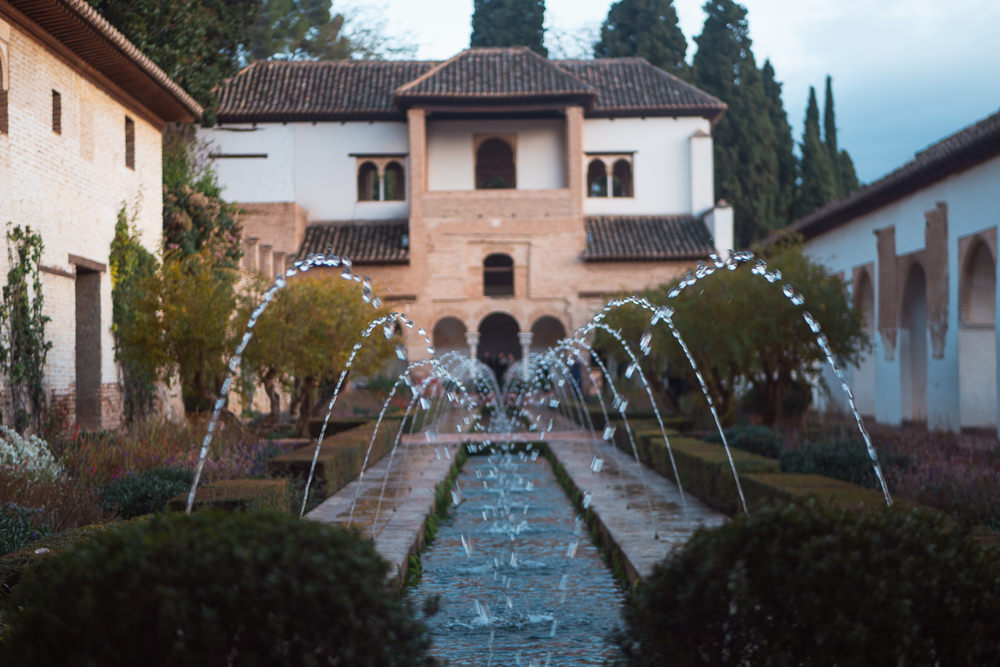


The Nasrid Palace in particular offers beautiful examples of Islamic art, its many courtyard walls covered with intricate geometric shapes and Islamic calligraphy. It’s worth getting the audio tour and taking your time to absorb all the little details.
You need at least half a day to fully explore all areas of this complex. As a reminder, the Nasrid Palace can be visited only with a pre-booked ticket for a specific time. Avoid disappointment by reserving your Alhambra tickets via GetYourGuide or Viator.
4. Enjoy the free tapas
One thing Granada is famous for is its tapas (small portions of food) given with your drinks for free in most of the tapas bars. It’s one of the few cities in Spain where this custom is still maintained.

Of course, this tapas is already priced into the cost of your drinks, but the surprise of getting a new snack every time is nevertheless a wonderful experience.
Unlike elsewhere in Spain, the trick in Granada is not to order your tapas a-la-carte. Instead, just order a glass of wine or beer and some tapa will be brought to your table as well. Try to stay in one place rather than bar-hopping; you’ll usually get increasingly better tapas if you keep ordering drinks in the same place.
To dive much deeper into the Granada food culture, check out this walking food tour of Granada, where you’ll visit family-run businesses, tapas bars, restaurants, and foodie hotspots.
5. Take a walking tour
Much of the appeal of Granada is its history, which will come alive much more on a guided excursion around town. I highly recommend taking a walking tour as as it will give you a different perspective.
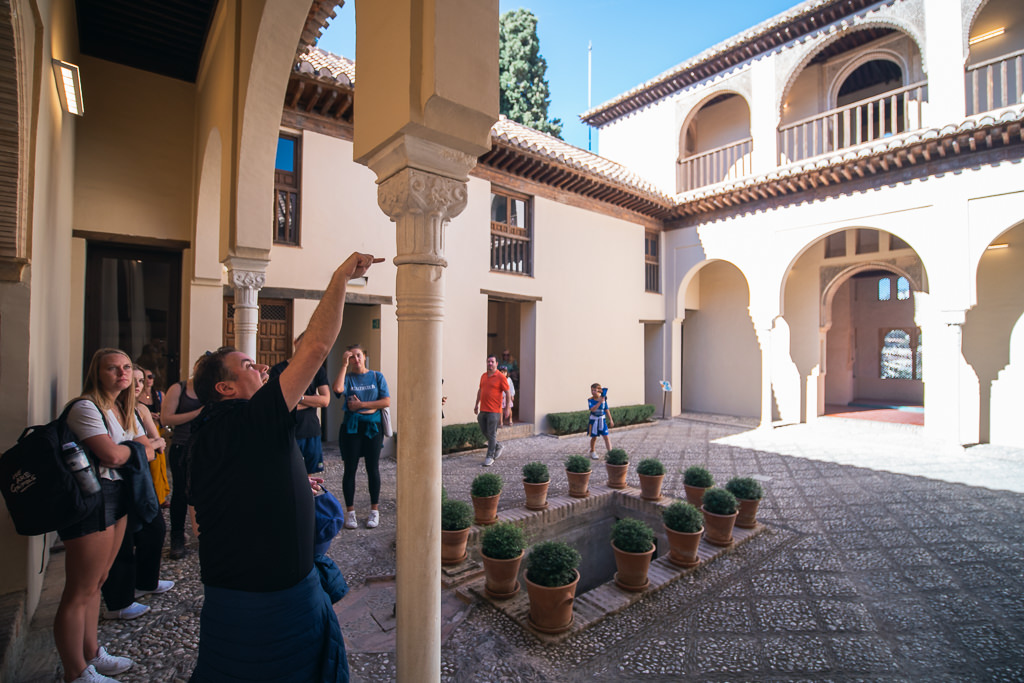
Many of the walking tours will stop by small sights, such as the Palace of Dar al-Horra, the casa de Zafra, or El Bañuelo (the ruins of an ancient bathhouse), which are far less interesting if you visit them by yourself. There is little to see at these places at first glance but with the right guide they become absolutely fascinating.
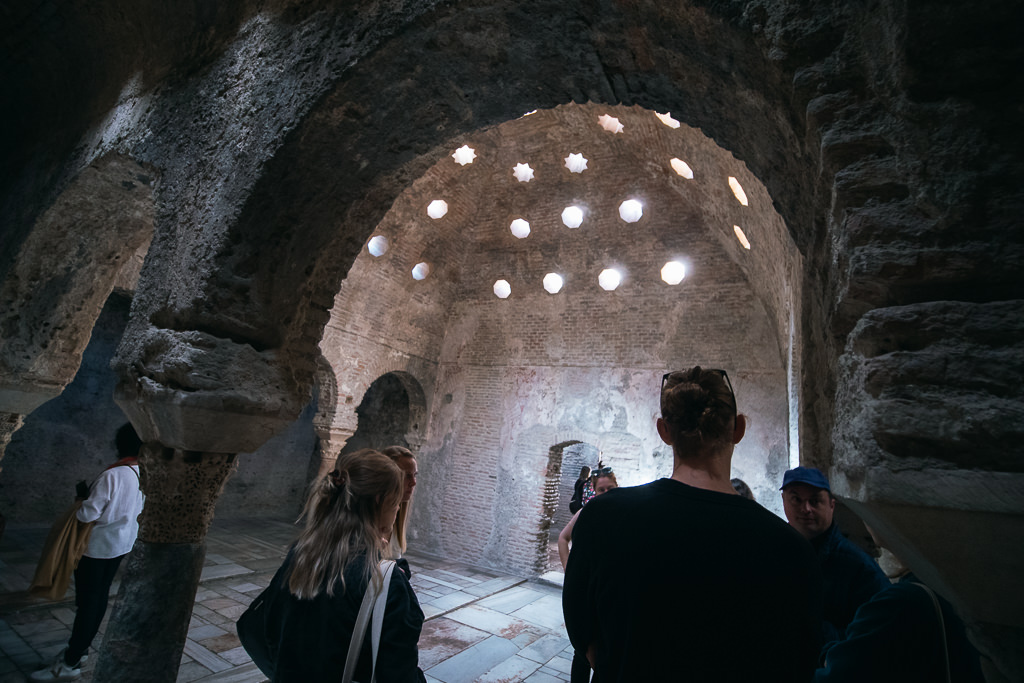
There are several walking tours available on GetYourGuide, which will give you a great overview of the old city. There are also many free walking tours available, which work on a pay-what-you-want donation basis. Sometimes these tip-based ‘free’ tours can actually be better, as the guides are especially motivated to give you a good experience as they end up being rewarded for it.
I recommend checking Guruwalk for free walking tours, which brings all the different options together along with reliable user ratings.
Book a free walking tour6. Stroll around the Albaicín
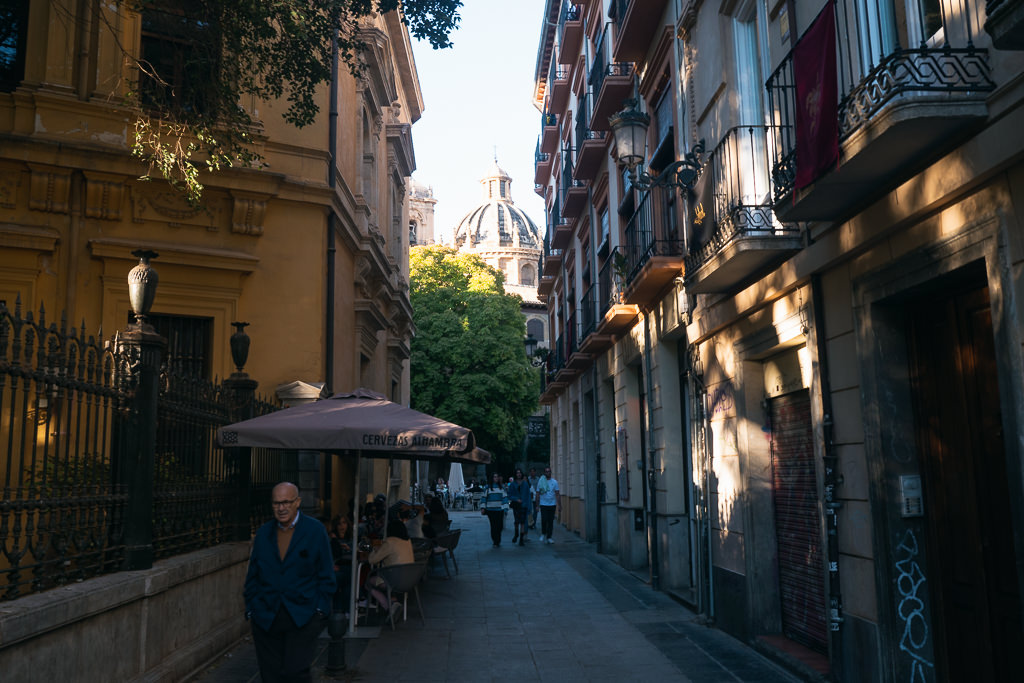
The labyrinthine and narrow streets of this traditional area make it one of the most fun to explore.
It is known as the Arab quarter, a distinction dating back to the Moorish times, though over the many centuries its streets have been home to Iberians, Greeks, Romans, and Visigoths. Enjoy the white-painted houses and narrow streets, and soak in the lively atmosphere.
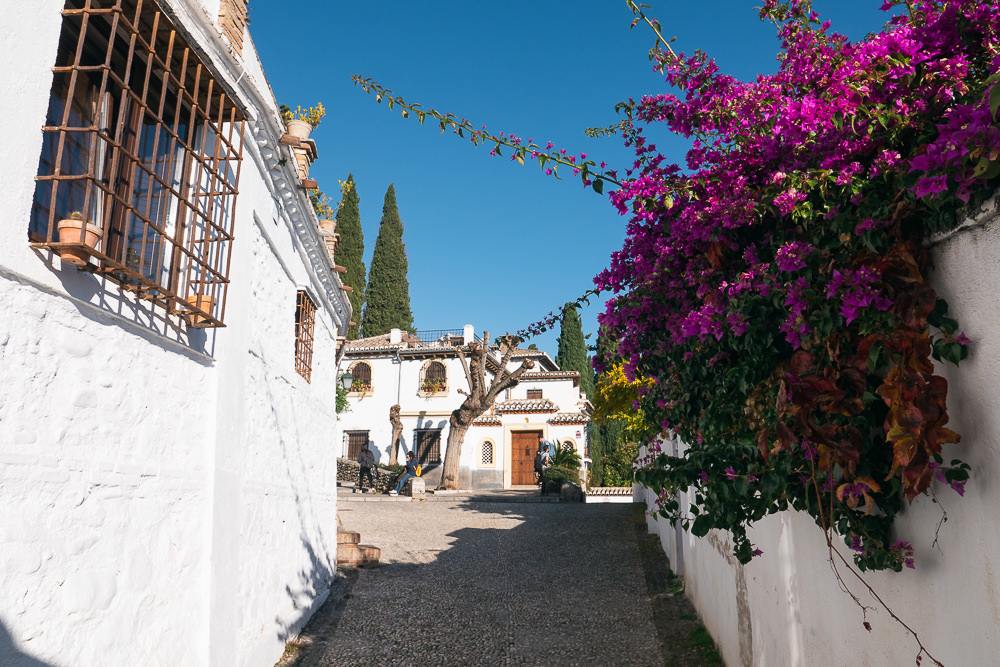


During Muslim rule, luxurious walled villas were also built that housed a leafy green space that served as a garden for relaxation as well as growing vegetables. This traditional Albaicín house is known as a “carmen” and you’ll see quite a few as you explore the Albaicín.
Keep an eye out for the beautiful flower pots that adorn many of the facades!
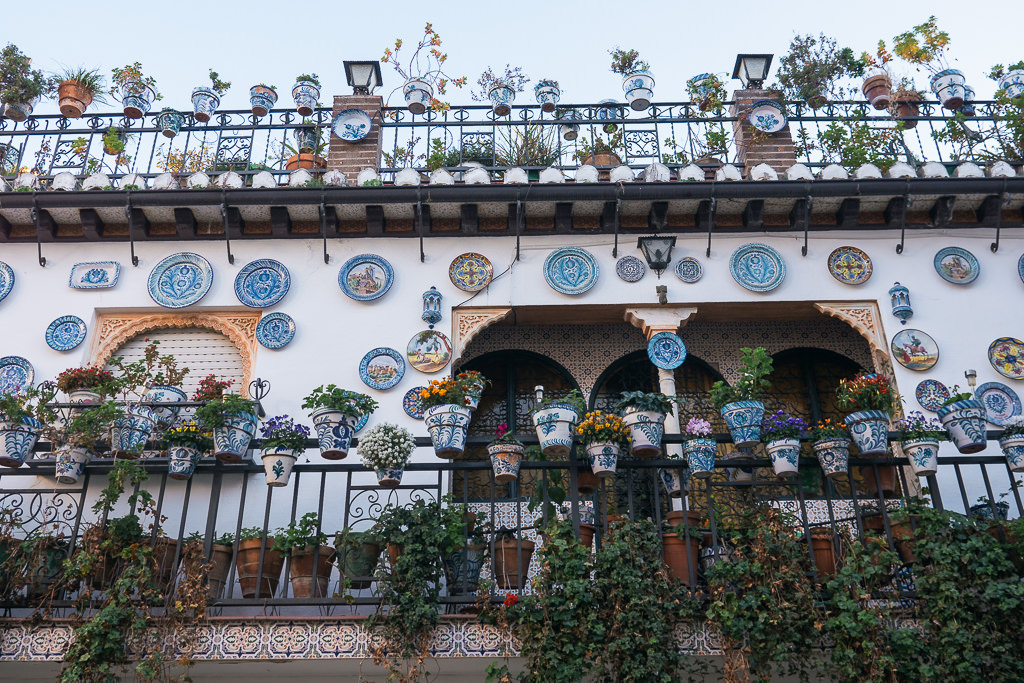
7. Basílica de San Juan de Dios
This basilica is one of the most ostentatious and beautiful I have ever seen. Dedicated to St. John, the predominantly gold interior shimmers and shines all around and the ornate array of statues, sculptures, carvings, and paintings is something to behold.


The audio tour is at times unintentionally humorous. “This section symbolizes charity and humility”, the narrator states matter-of-factly as you gaze upon the most overwhelming wall of marble, glittering gilt, and priceless religious art. (Hmm.)
Left unmentioned by most Granada travel blogs, this is actually one of Granada’s most worthwhile sights. The basilica is stunning, the tour provides unique access to areas around the altar, and a virtual reality experience lets you see the interior from every angle. Entry is 5 euros and includes a free audio tour.
8. Monasterio de San Jerónimo
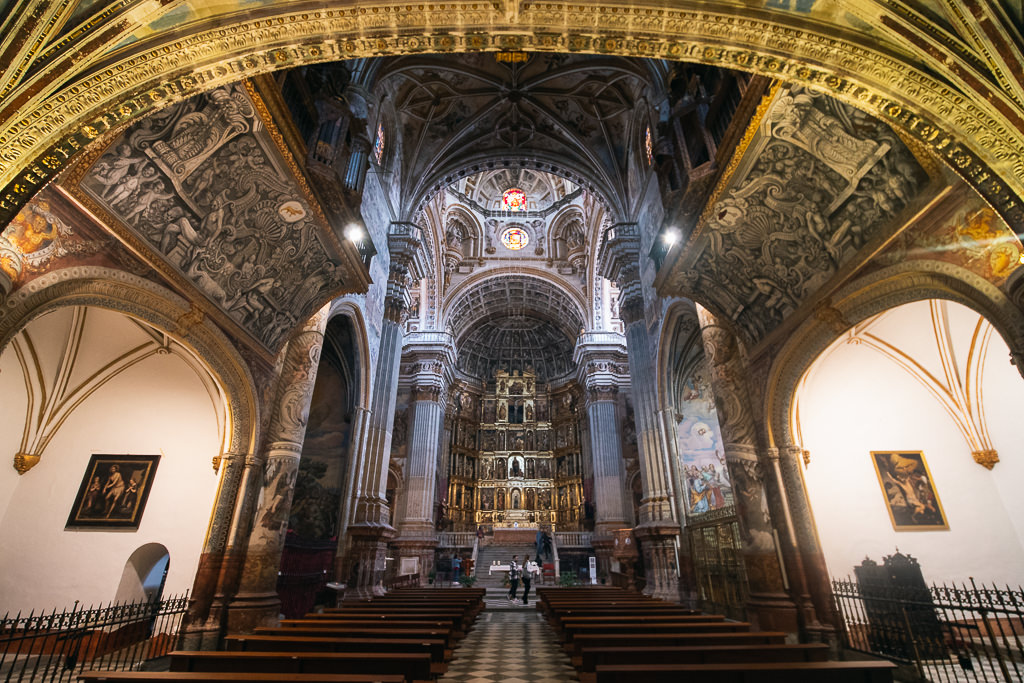
Located practically next door, it’s not quite as impressive as the Basilica de San Juan de Dios, but still highly worth giving a look as well. The monastery encompasses two cloisters and a richly adorned Renaissance-era church.
9. Hike the Los Cahorros de Monachil
This mountain hike is a bit of an adventure. The trail traces the small Monachil river through a canyon and involves several hanging bridges, a tunnel, and a couple of overhanging rocks you must either climb around (using metal handles) or crawl under.


This may sound intense but it’s not a difficult hike and can be done with children. The signage can be a bit confusing though as there are multiple ‘Los Cahorros’ hikes. Ignore the ‘Circular de los Cahorros’ signs (this is a much bigger hike) and simply continue upstream. You can go back the same way or create a loop over the northern ridge.
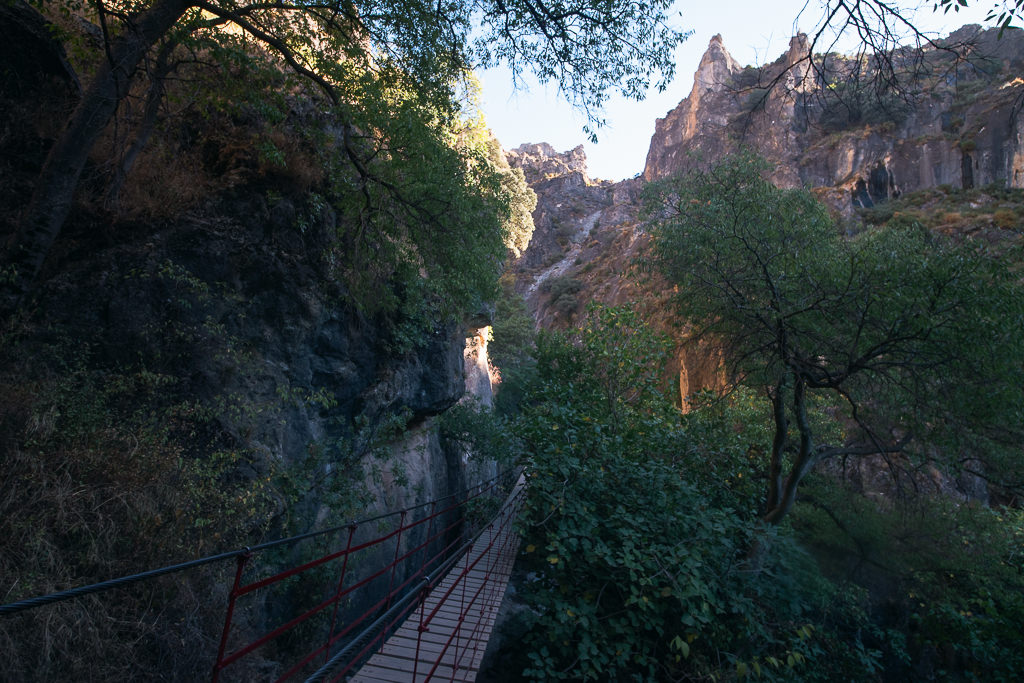
The trailhead is easily reached by bus. Head over to this bus stop in Granada, then catch the 0183 to Monachil (it takes about 20 minutes). The trail starts here.
While it can be done independently, it can be more fun to do this hike with a group. You can book a guided hike at GetYourGuide.
Book this Hiking adventure10. Buy sweets from a convent
In Granada there are several convents that have been selling sweets for over many generations. Buying some sweets or treats from the convents is a unique experience and helps the nuns run the convent.
The nuns are cloistered and won’t go outside, so you typically have to knock on a door or enter a small front room to make your order. This official blog has more details on the specific hours and locations. One of the locations is the Monastery of Santa Isabel la Real; walk inside through the archway and at the end turn left, where you see a small sign and a ringer.
11. Carmen de los Mártires
These tranquil gardens include a variety of spaces and a beautiful 19th-century villa. It is overshadowed by the Alhambra (located very close to it) and so few people make it out here, making it a bit of a hidden gem.
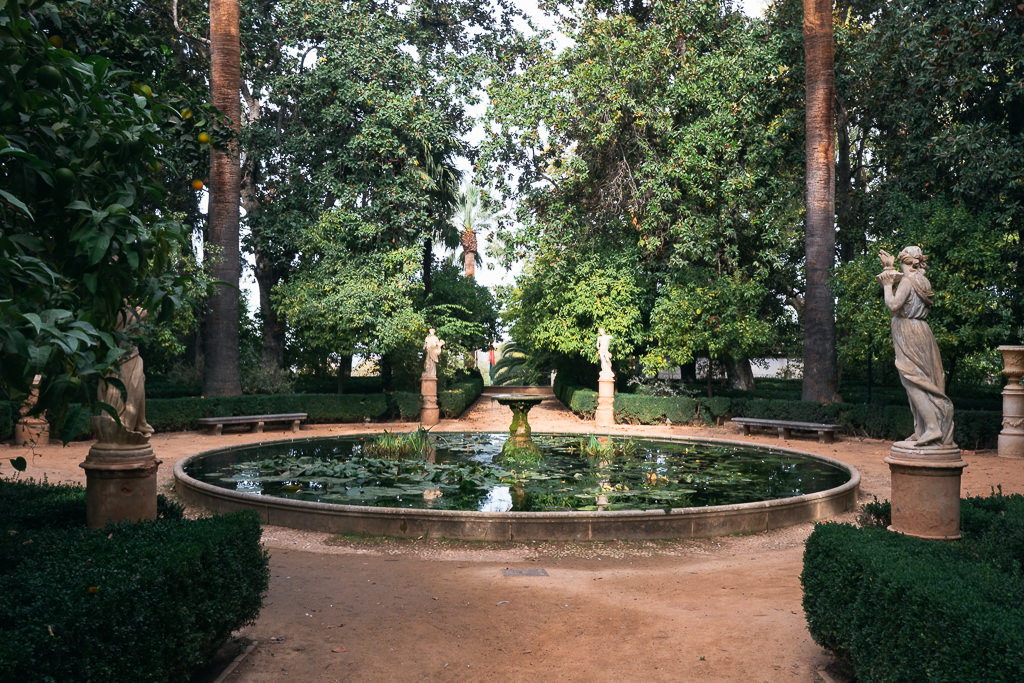
The artistically-designed garden features both a British, and French-style garden as well as a lake and a charming Nasrid Patio with a maze. While not as well-maintained, consider these the deleted scenes/bonus content to the nearby Generalife — and well worth a stroll.


12. Botanical Garden of the University of Granada
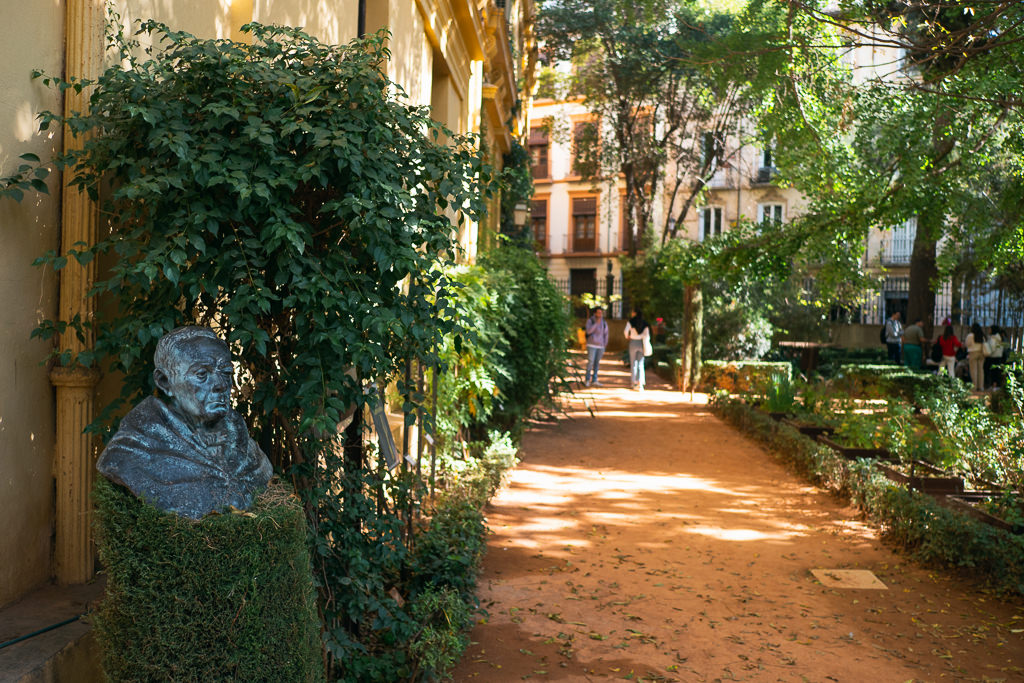
This small botanical garden is open on weekdays and is free to enter. It has a number of notable trees including a Ginkgo planted in 1889 and a beautiful Canarian pine dating from the 19th century. It also has a collection of horticultural and medicinal plants.
Botany fans will surely have an excellent time here, though anyone can enjoy it for a stroll. There are several nice cafes and tapas bars adjacent to the park.
13. Sunset views on top of the hill
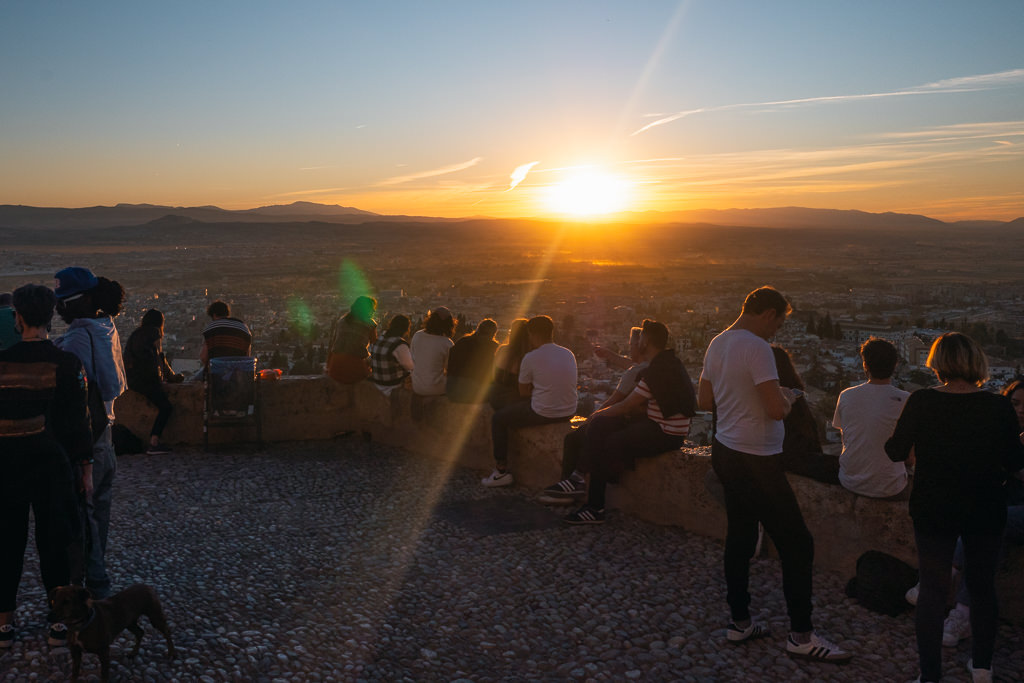
Towards the end of the day hike up in the direction of the Cerro de San Miguel. At various locations, people gather to watch the sunset, particularly at the Ermita de San Miguel Alto church. A moment not to miss in Granada.
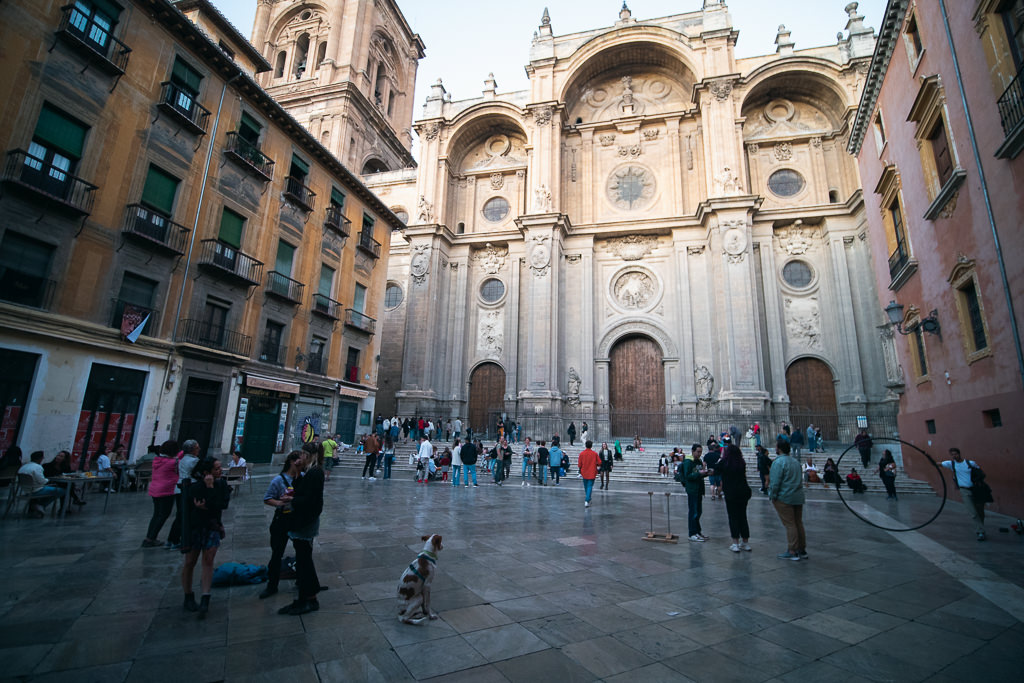
14. See the Catedral de Granada
The 16th-century cathedral of Granada was commissioned by Queen Isabella on the site of the main mosque at the time. This beautiful renaissance church filled with gilded surfaces and paintings is well worth a visit and offers an in-depth audio guide as part of your entry ticket, which costs 5 Euros.
15. Dive deeper into Sacromonte
The alternative neighborhood of Sacromonte is the traditional home of gypsies but today is also home to a motley assortment of artists and immigrants. This tip will sound a bit vague, but if you have the chance to visit the community in this area, don’t hesitate to accept an invitation.
I went to a cool unofficial restaurant in Sacromonte, though promised not to share it online. Sacromonte is a very down-to-Earth part of Granada that’s worth exploring if you’re in Granada a bit longer.
16. Alcaicería market
This traditional market area dates back to the Moorish times when it was a silk bazaar. Despite Spain’s effort to re-Christianize after the reconquest, they decided that the Alcaiceria market was too good to let go.
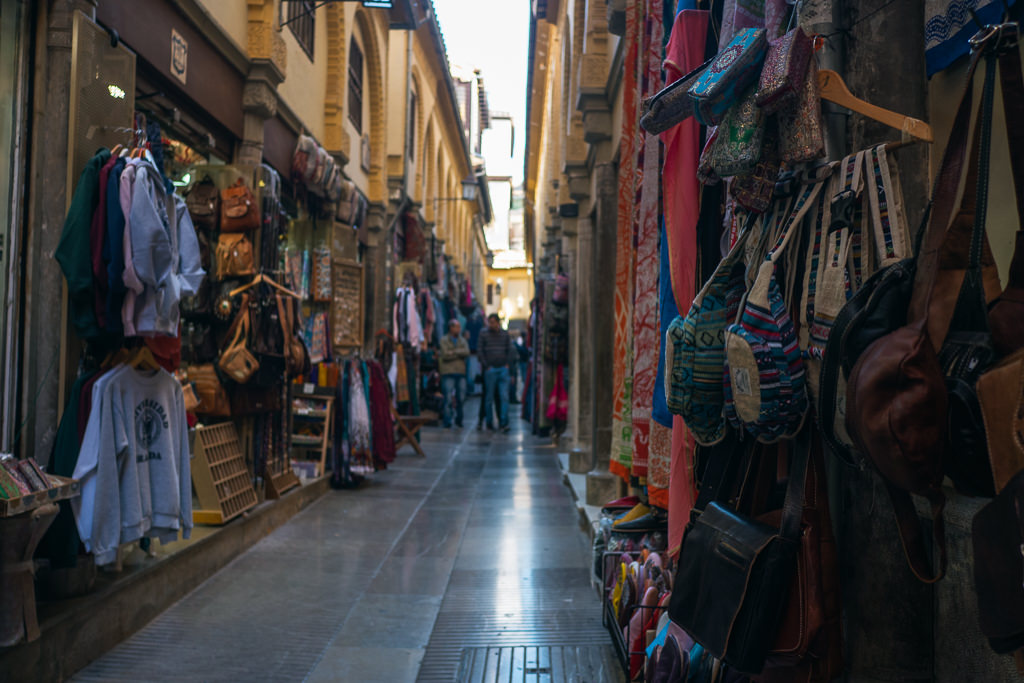
Entering through a narrow archway, you’ll instantly find yourself in a mini version of a Middle Eastern bazaar where souvenir shops sell all manner of ceramics, jewelry, and spices. It won’t keep you busy for too long, but while you’re here, pop by the Palacio de la Madraza. This Muslim school built in the 1300s features beautifully intricate decorations.
17. Mercado de San Agustin
If you’ve been to other Spanish cities you’ll know the concept: an indoor market where residents can buy their meat, seafood, and vegetables, but where small restaurants and bars also serve dishes made with market produce.

The Mercado de San Agustin is a lovely spot to go for people-watching, taking a tapa or two, or ordering some unbelievably fresh sushi. It’s also a good area to hide out when it’s raining.
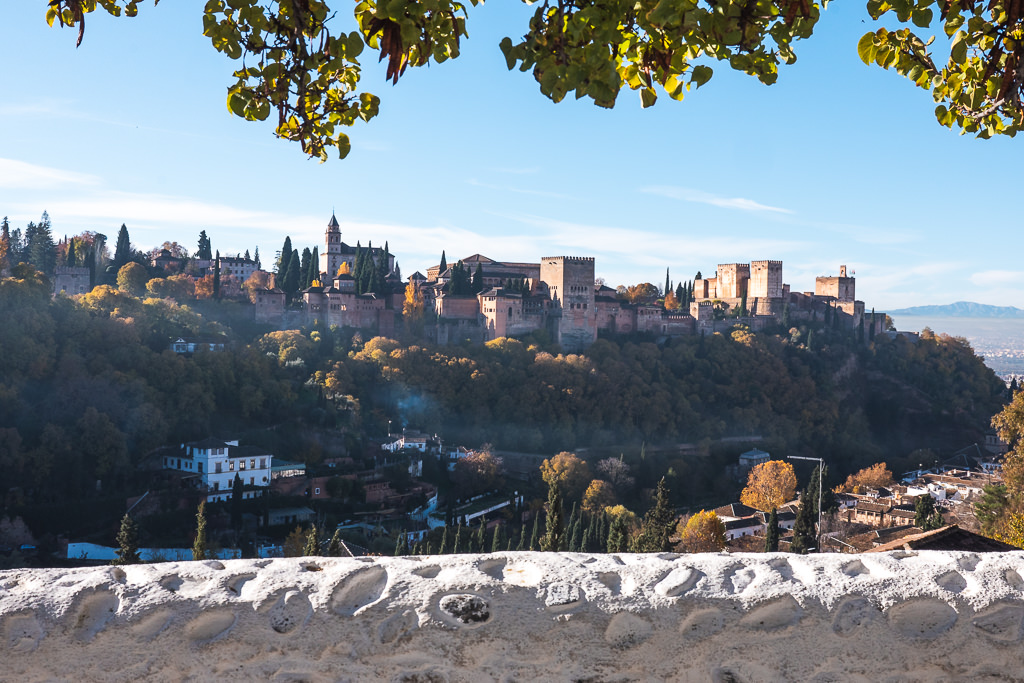
18. Mirador Mario Maya
This viewpoint in Sacramonte is not as well known but offers gorgeous views of the Alhambra. It’s a lovely quiet spot to take your picture with the Alhambra in the background without needing to elbow for space. A resident has set up a tiny bar outside of his house serving cold drinks.
19. Museo Sefardí
This hard-to-find museum is run by a couple dedicated to sharing the Jewish history of Granada. The definition of a hidden gem, this very small museum in the Jewish Quarter invites all those who are interested in the subject.
20. Inquisition museum
Housed inside the Palacio de los Olvidados, this is another small museum you can stumble upon. It provides a fascinating look at the period of the Inquisition and the various gruesome torture instruments that were used during this time.
21. Hammam Al Ándalus
Granada has several ancient Arab baths, owing to its Moorish history. You can see the ruined remains of one such bath along Carrera del Darro (usually this is shown on most of the walking tours), but for a contemporary version of the concept, you can visit the Hammam Al Ándalus.
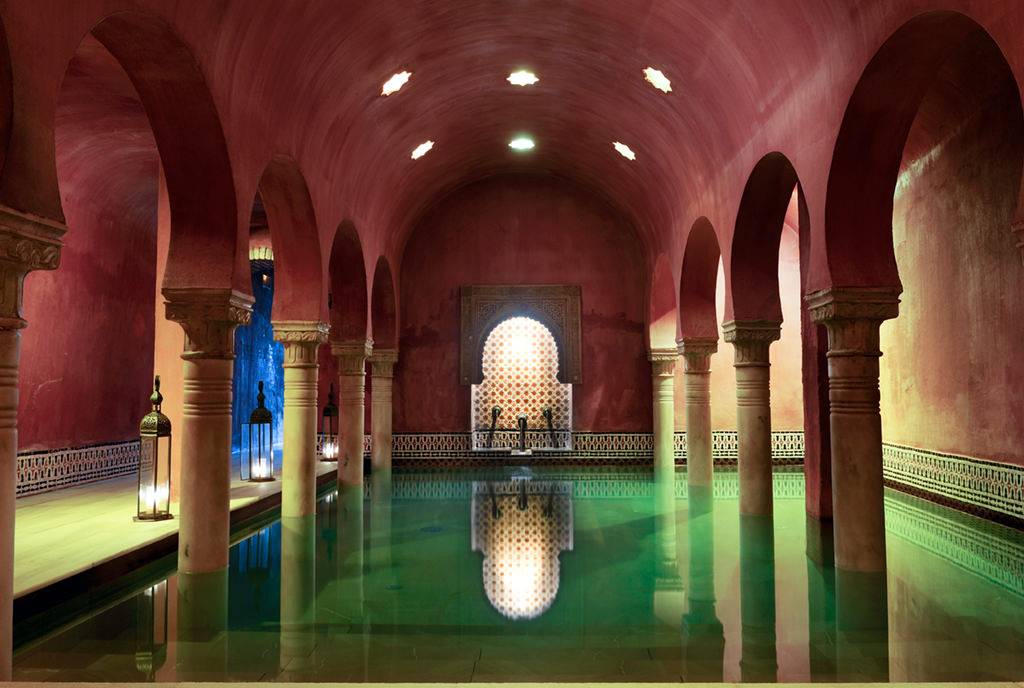
This traditional, Arabian-style bath has waters with a wide range of temperatures and offers many different massage options. A great way to treat yourself after a long day of exploring Granada.
22. Visit the white villages of Granada province
Once you’ve explored Granada, it’s a great base from which to explore the region. Within a 1-hour drive’s range are a number of pueblos blancos (white villages) which are known for their traditional whitewashed houses.
Guadix is especially interesting as it’s home to a gorgeous hilltop castle as well as its own type of cave dwellings, their white chimneys lutting out from under the hills. Montefrío in turn was given the distinction of ‘Best View in the World’ by National Geographic (okay, it was the Spanish edition of Natgeo, but it is in fact very picturesque).
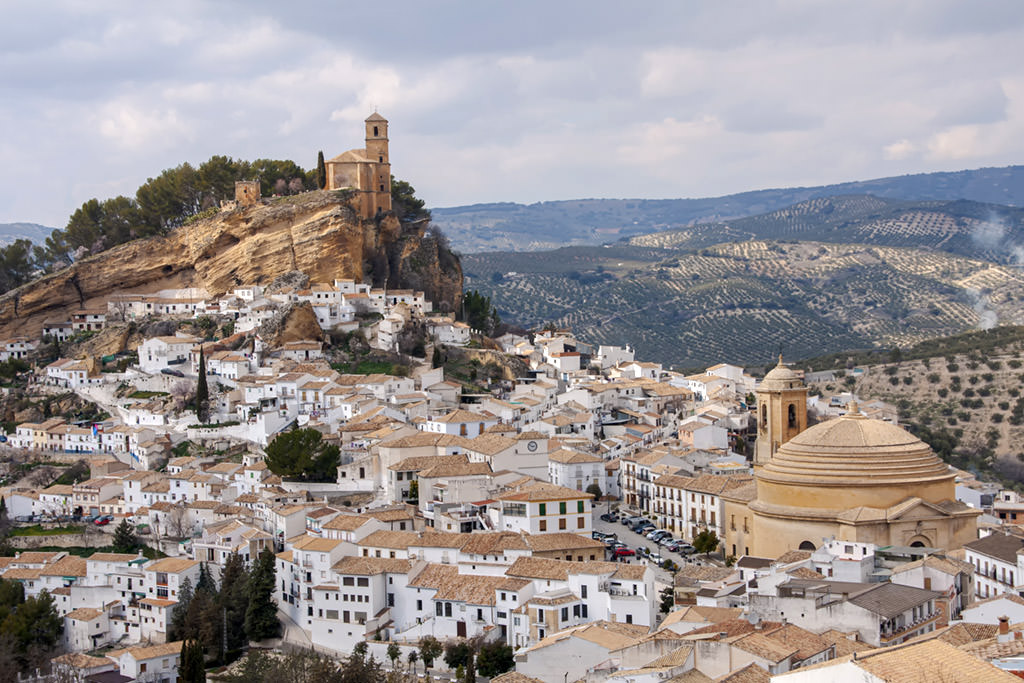
There are several car rental companies near the central train station of Granada where you can get your own vehicle for a road trip. You can use DiscoverCars.com to compare rental prices and options.
If you prefer not to drive, you can also book an organized tour of several white villages starting in Granada.
23. Escape to the Sierra Nevada
Just a short drive away from the city of Granada is one of Spain’s most beautiful natural features; the Sierra Nevada mountains. There really isn’t a bad time to visit and if you’re looking to get out of the city and into the wild, this is the place to do it.
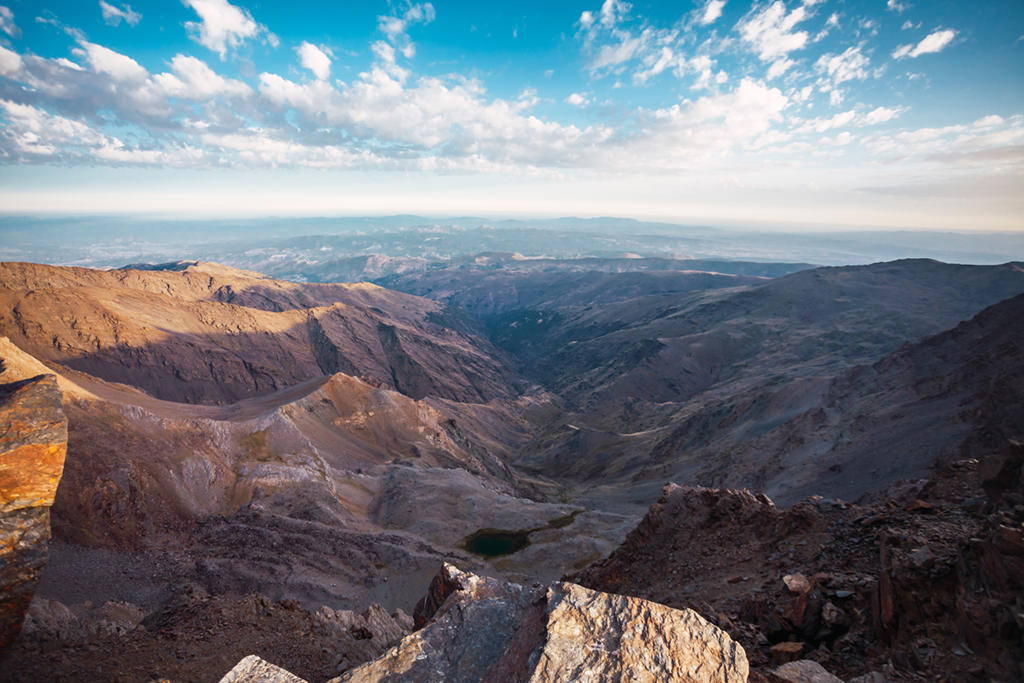
During the winter months, the mountains serve as one of Spain’s hottest ski destinations mostly around Boraguiles, Monachil, and Pradollano. In fact, the Sierra Nevada is one of southern Europe’s very few ski destinations with service operating from December to April.
If you’re visiting in warmer months, check out the 4-wheeling or mountain biking trails found around the mountains. For those looking for an adrenaline rush, paragliding and mountain climbing are also popular activities.
24. Go rock climbing
Many of the cliffs in the Sierra Nevada lend themselves perfectly for rock climbing. There is even a dedicated rock climbing hostel, Solana de Granada.
It’s about a 30-minute drive north of the city (it can be reached by car or by bus). The hostel offers rock climbing excursions but also has a ‘house cliff’ right beside it, so you can start climbing whenever you get the itch.
Where to eat & drink
I haven’t eaten in every restaurant but these are some of my favorites:
Tapas
Restaurante Aixa. Charming tapas place on the local square of Plaza Larga with outside and indoor seating.
La Tabernilla del Darro. Cozy wine cellar bar serving gourmet tapas (not free but very good)
Bar Clausura. A local tapas bar with no tourists at all. You get a good free tapa with every drink. Since it was around the corner from my accommodation, I went back here several times.

Cafe & breakfast
La Finca Coffee. Specialty coffee place. Get your V60 or batch brew here.
Café 4 Gatos. Great toasts and breakfast specials are served with regular coffee.
Tapped out on tapas?
Noodlerest. Casual Asian, mostly Thai and Japanese. I couldn’t believe how good this was. Best Pad Thai I’ve had in quite a while.
How to get to Granada
Granada has only a small airport with barely any connections, so if you’re flying in, you will probably need to fly to Malaga and then catch a bus to Granada.
Thanks to a new high-speed rail connection you can now get from Madrid to Granada in about 3 hours by train. From Cordoba, it’s about 1,5 hours by train, and it’s 2,5 hours from Seville.
You can buy train tickets via Trainline.com.
Not sure where to go next after Granada? Consider a trip to Cordoba, Seville, or the town of Ronda.


This is a lovely guide to Granada. Walking tours are a great way to see the city. Love this travel guide.
Grenada looks STUNNING! I really am sold on this.